This community is built around a network of families who share enough trust, values, and long-term vision to build something together. Each household is fully independent. What is shared is the land, the driveway, the utility infrastructure, the outdoor common areas, and the proximity to people you already trust.
The five households building it and are choosing proximity on purpose. Here is who they are.
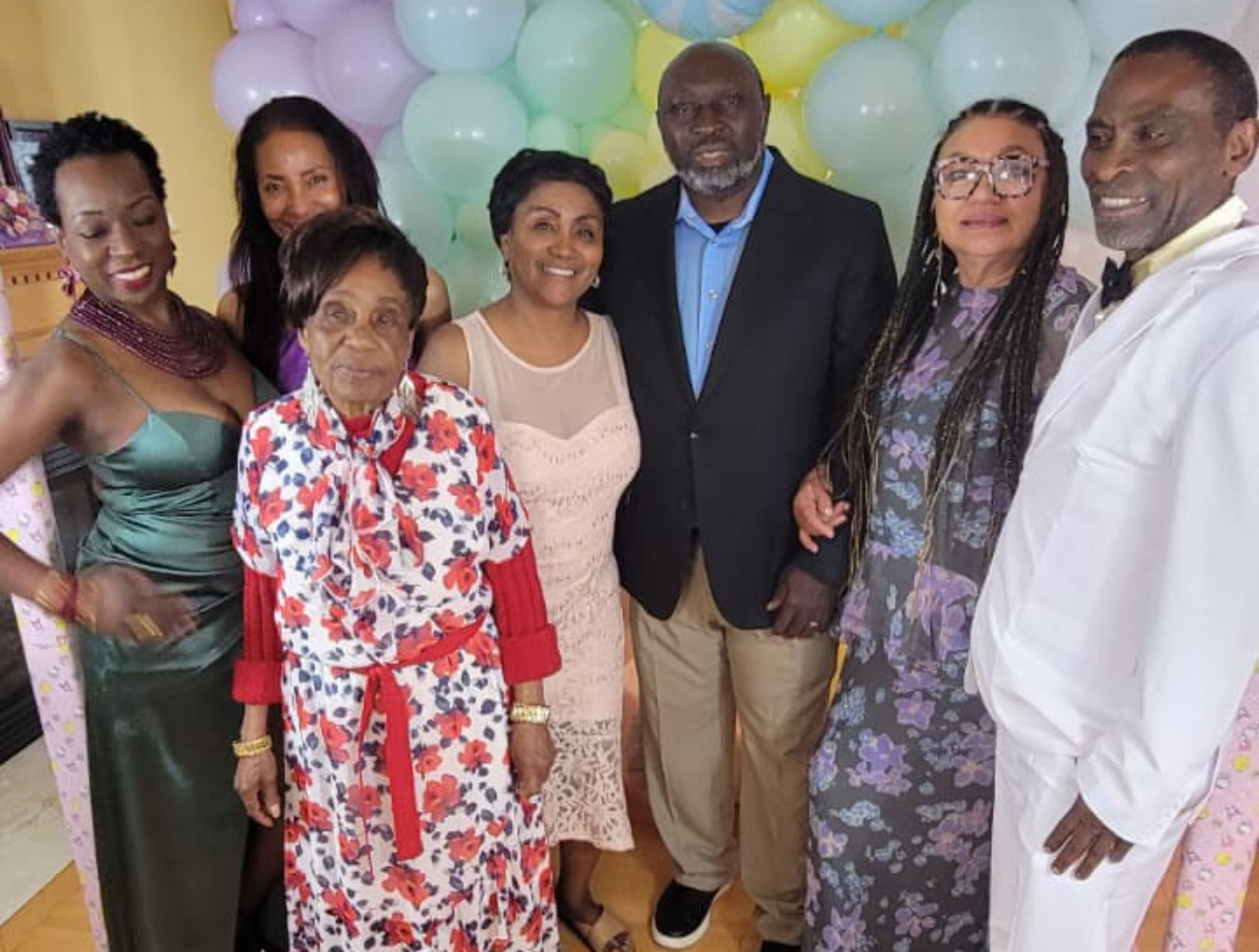
After decades of hard work and long daily commutes, Jacques and Elizabeth are entering a season of life where time has become more valuable than income. Co-housing would allow them to rightsize into a home that costs drastically less, eliminating debt and creating the freedom to retire or to work on their own terms.
They could sell their large Waldorf home and use the equity to drop their debt to zero. Or they could also retain it as an income-generating property — a short term rental or event space — all while living just steps away from the family they cherish most.
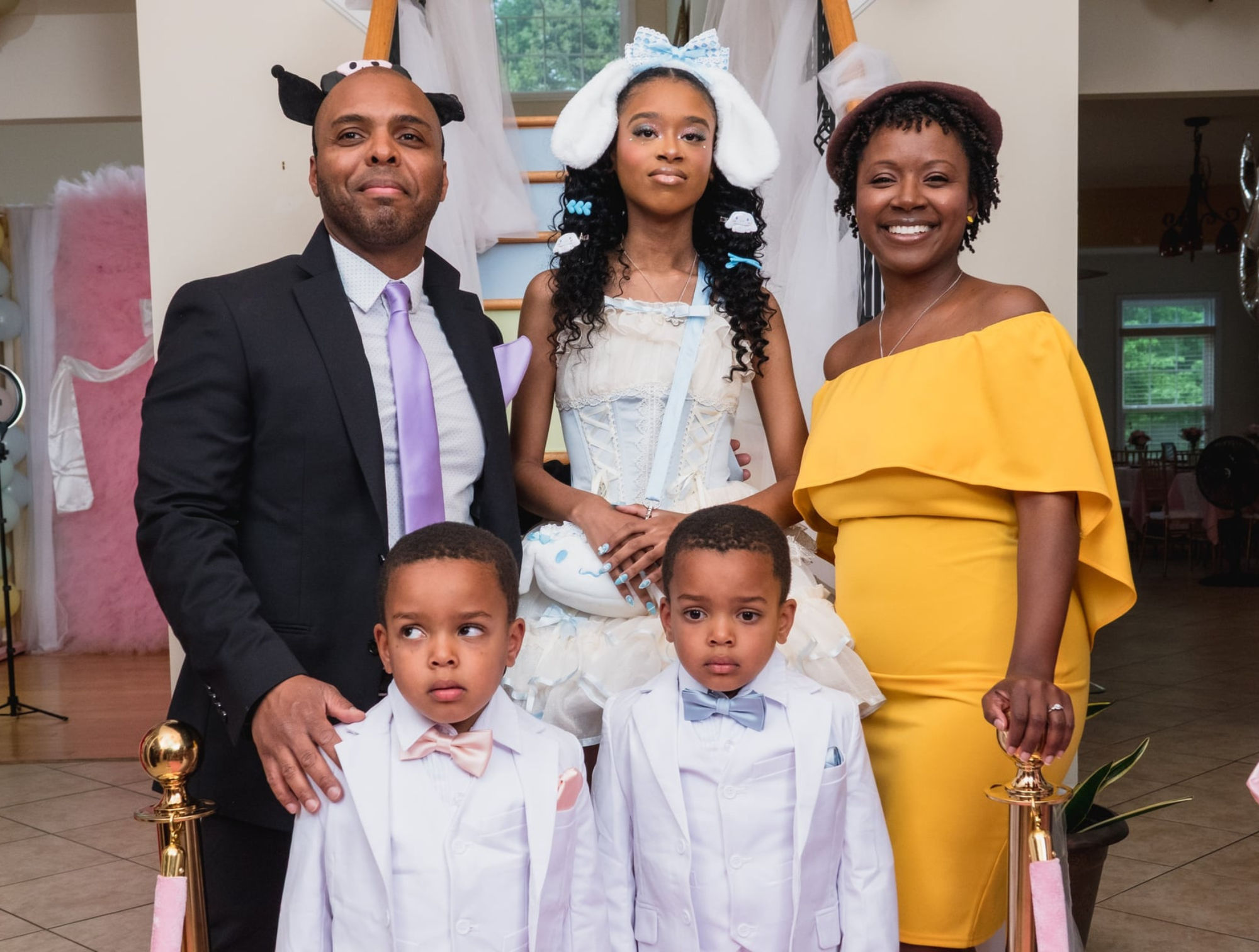
Alex and Chantl believe that families thrive in community, not isolation. After retiring and traveling through Latin America, they hope to build a life centered on creativity, connection, and raising their children alongside the people they love most.
They enjoy city living, and for them co-housing blends some the best parts of urban life — social interaction and shared experiences — with the space, affordability, and lifelong family support that intentional community provides. As non-homeowners, they have no ties other than to their families.
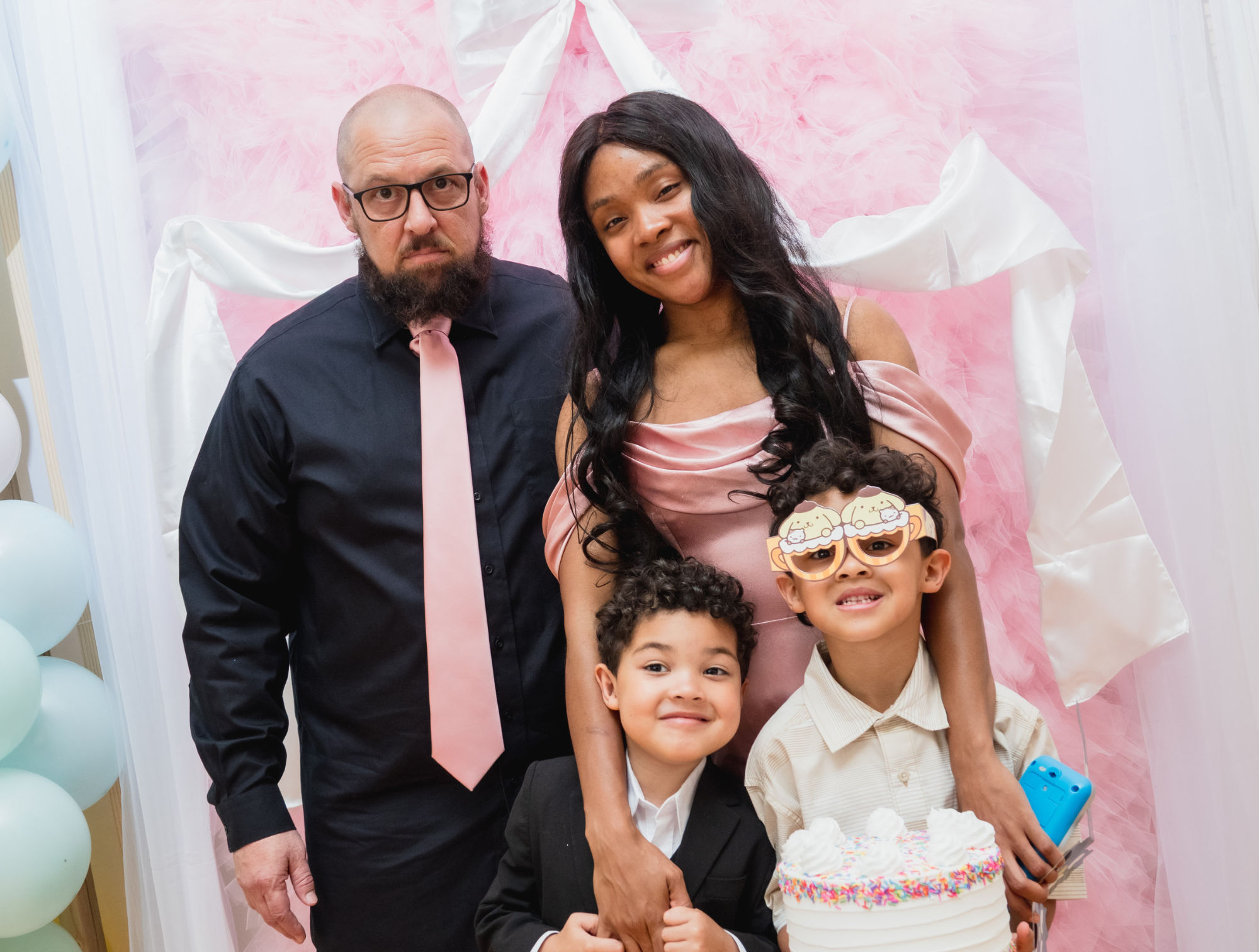
Gary and Whitney value the space and privacy of suburban living while raising their three boys. As a retired police officer and a devoted mother, they understand the importance of a safe, supportive environment where children can grow surrounded by people who genuinely care.
Living near family would allow Whitney to rediscover her artistic passions, provide stronger educational opportunities for the boys, and create a richer, more balanced life for Gary as he pursues new interests in retirement.
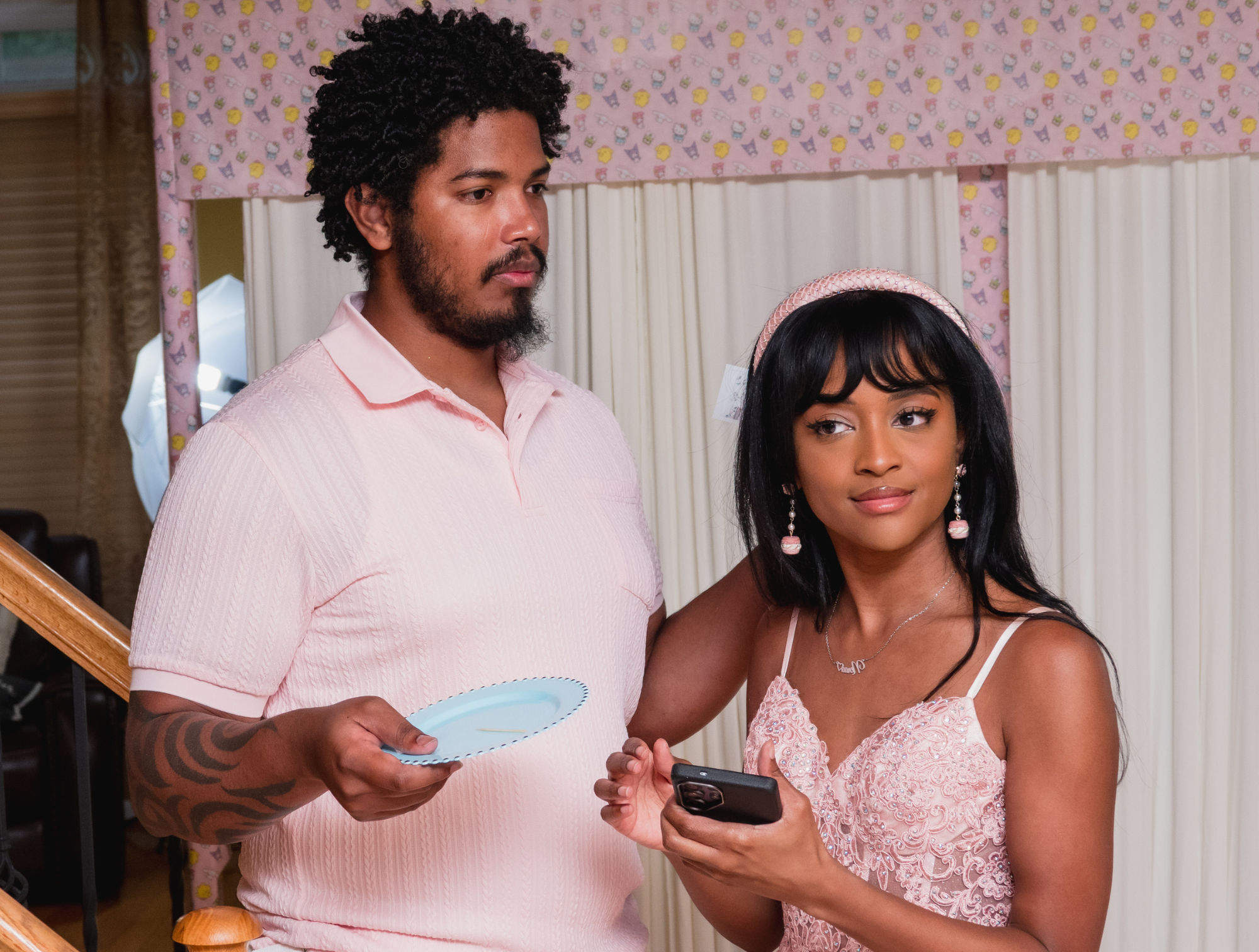
Carlos and Nena have built a successful business together while keeping family at the center of everything they do. As entrepreneurs, they appreciate flexibility, collaboration, and investing in a future that extends beyond financial success.
An intentional community offers the perfect place to establish long-term roots, remain closely connected to loved ones, and one day raise children within a neighborhood where family life is woven into everyday living.
Jahmel and Maima have embraced careers that allow them to work from anywhere while enjoying a quieter pace of life. Their faith and commitment to family make intentional community a natural extension of the values they already practice.
Living alongside relatives would provide meaningful relationships, opportunities to serve one another, and a peaceful environment where they can continue building both their family and their growing creative careers.
Building on shared land — rather than buying separately — puts every design choice in the community's hands and compounds the advantages. Below are the core reasons this model works, organized by what kind of value each delivers.
Shared Babysitting & Family Care
One of the biggest advantages of living near family is trusted childcare. Parents can trade coverage, while grandparents and others can step in when needed. This reduces costs, creates deeper bonds, and often provides children with more loving care than expensive commercial alternatives.
Outdoor Sauna
A cedar barrel or cabin sauna tucked into the tree line — built for under $5K DIY, a luxury that would cost many times that to access in a suburban context.
Workshop / Maker Space
A dedicated shed or structure for woodworking, electronics, 3D printing, or any technical side project. Having that space steps from home changes what's possible for household members who build things.
Outdoor Recreation Area
A cleared activity area for basketball, football, or a built-in obstacle course gives high-energy kids and adults a place to channel physical movement.
Natural Swimming Pool
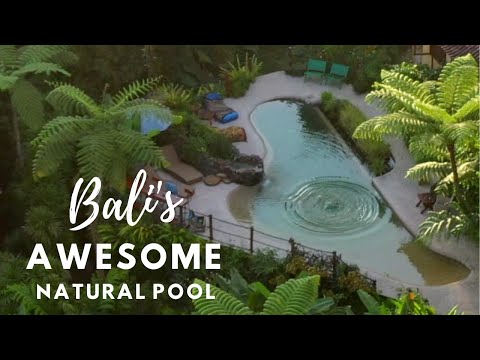
A chemical-free swimming pond filtered by aquatic plants — cooler and cleaner than a chlorine pool, and dramatically more beautiful and cost effective. A meaningful shared amenity that adds to the land's value and quality of life simultaneously. They're common and safe, and below is an example video.
Community Hot Tub
A shared hot tub creates a year-round gathering place for conversation, relaxation, and recovery. This feature is a surprisingly affordable luxury when costs are shared across households.
Fun Spaces
Imagine an outdoor projector theater showing the family favorites all year round; a simple but well designed fire pit for s'mores and gatherings; lawn games that don't require a screen; and seasonal celebrations that turn into parties with the addition of a few more friends. The land becomes a destination for family time rather than just a place to live.
Space to Grow Food
Five-plus acres means a shared vegetable garden, fruit trees, herb beds, or even a chicken coop. Fresh food for the whole community means increased health benefits — physical as well as mental health — while cutting grocery costs and adding beauty to the landscape.
Solar Panels
Installing solar at build time costs significantly less than retrofitting later. A properly sized system (8–12 kW) can eliminate monthly electric bills. The federal 30% Investment Tax Credit may also apply.
Tankless Water Heater
Heats water only on demand — no standby energy loss. Lasts 20+ years vs. 10–12 for tank heaters, takes up less space, and never runs cold. Ideal for large or multi-schedule households.
Whole-House Water Filtration
A whole-house filtration system can be integrated during construction to provide cleaner water throughout the home. They help reduce PFAS (cancer-causing, forever chemicals), chlorine byproducts, pesticides, heavy metals, and other common contaminants.
Metal Roofing
Metal roofs last 40-70 years vs. 15-20 for asphalt shingles, are highly wind- and fire-resistant, and reflect heat to reduce cooling costs. Installing at build time avoids the cost and disruption of a mid-life reroof — a meaningful long-term savings for every household.
Whole-Home HEPA Filtration
Upgraded HVAC filtration captures many of the particles that standard filters miss, including pollen, dust, smoke, and pet dander. Cleaner indoor air can improve comfort year-round.
Numbers and legal frameworks only go so far. Here is what a typical day might actually feel like for the community.
On a typical Tuesday, the school bus pulls up early, gathering PG, Jeremiah, Panita, Jackson, Jacob, and the twins Kenny and Kameron for the day ahead. With the kids off to school, the property settles into its own rhythm.
Maria and Elizabeth take over their kitchen, experimenting with recipes passed down through generations. The aroma of simmering sauces and fresh bread drifts across the land as they prep for an evening meal the whole family will share. Jacques settles into the living room, a football game on the screen, while Gary and Jahmel head to the gun range — their weekly ritual, conversation flowing as easily as the ammunition.
In the workshop-turned-studio, Nena, and Maima and a newly returned Jahmel, set up their gaming rigs, recording content for their channels. Kira joins them, planning cosplay purchases and her roblox-inspired content. Carlos reviews property listings on his laptop nearby, occasionally turning to the others for input on a potential investment.
Whitney sets up her easel on her shaded deck, charcoal in hand, working on a new portrait. Downstairs in their home, Alex types steadily at his desk, revising a manuscript that's been taking shape for months. Across the way, Chantl edits footage from her latest documentary project — still a hobby, still something she does purely for the joy of it.
School bus · the land wakes up
Seven kids board the bus from the shared driveway. Adults scatter to their pursuits — the workshop, the deck, the kitchen, their desks. The land is theirs for the day.
Chosen pursuits across the land
Content creation in the workshop-studio. A manuscript taking shape. Documentary footage in the edit. Property research at a laptop. A portrait on the deck. Maria and Elizabeth building something in the kitchen that the whole community will sit down to later.
The bus returns · the land activates
By mid-afternoon, the bus returns. Kids scatter across the property — the older ones to the workshop, the younger ones to the swimming pond or treehouse. Some gather around the outdoor movie screen, arguing over what to watch. Panita escapes to her room with a book. Jacob and Jackson race through the garden.
Maria and Elizabeth's feast · fireflies after
As evening falls, families gather for the meal that's been simmering all day. After dinner, the adults linger on the deck while children chase fireflies. Each household eventually retreats to their private space — the day marked by chosen pursuits, shared meals, and the quiet comfort of family nearby.
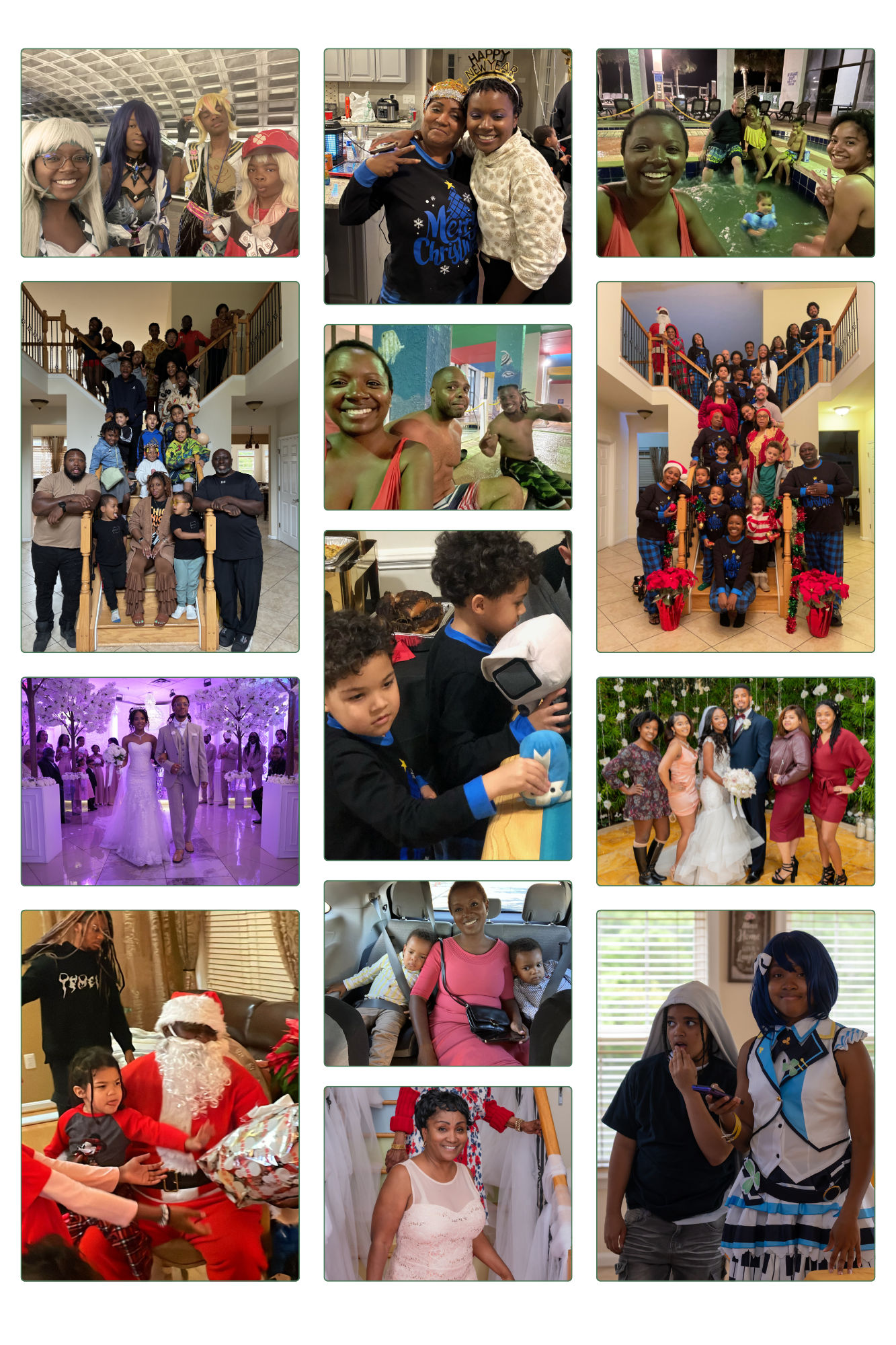
For most of human history, the isolated nuclear family household is the aberration. What we're proposing in this document is closer to how people have always lived. West African compounds — the model that arrived in the Americas with enslaved people and persisted in Caribbean and African-American family structures — placed multiple related households around a shared courtyard, with common cooking areas, shared childcare, and collective management of resources. The Haitian lakou is perhaps the most direct ancestor: a family land arrangement in which several households share a parcel, maintain separate dwellings, and organize around a common yard and elder matriarch. Extended family compounds are the dominant residential pattern across sub-Saharan Africa, the Middle East, South and Southeast Asia, and pre-colonial Indigenous North America.
What this proposal is doing isn't experimental — it's a return. The co-housing model doesn't ask these families to adopt something foreign. It asks them to rebuild something their own ancestors knew how to do — on land they own, with legal structures that protect it and each other. The LLC structure (detailed below) and the Operating Agreement are the modern tools. The vision is ancient.
After launch, the community doesn't have to stop with the proposed members. The LLC structure and size of the land allows for thoughtful expansion: a trusted friend, a family member who comes around, a next generation that wants to build. Here are a few obvious additions.
Robert is unlikely to join as he has roots in North Carolina through his wife's family. However, if his family is able to join the co-housing community, the proposed LLC structure allows for additional members. Joining this co-housing community would offer him the chance to strengthen ties with family.
JJ is also unlikely to join as his military service roots him and his family to Virginia. If he is able to join, space can be made in the 5+ acre lot for him and his family.
If all households agree, it is more than likely that Evelyne Clermont (Alex's mother) will live in the community within an Accessory Dwelling Unit (ADU) attached to the Clermont-Martin home. She wants independence, but also community.
Katie is Elizabeth's cousin and, as she approaches retirement, she's beginning to think seriously about where and how she wants to live. With the ties that matter most pulling her toward people rather than places, Katie would very likely be excited to join the community.
Mikki is Chantl's aunt from her birth father's side. She lives in Tampa, FL and has recently expressed a desire to join the community if located in Florida. Chantl lived with Mikki for three years while in New Jersey. Mikki is a trusted family member who would be a great addition.
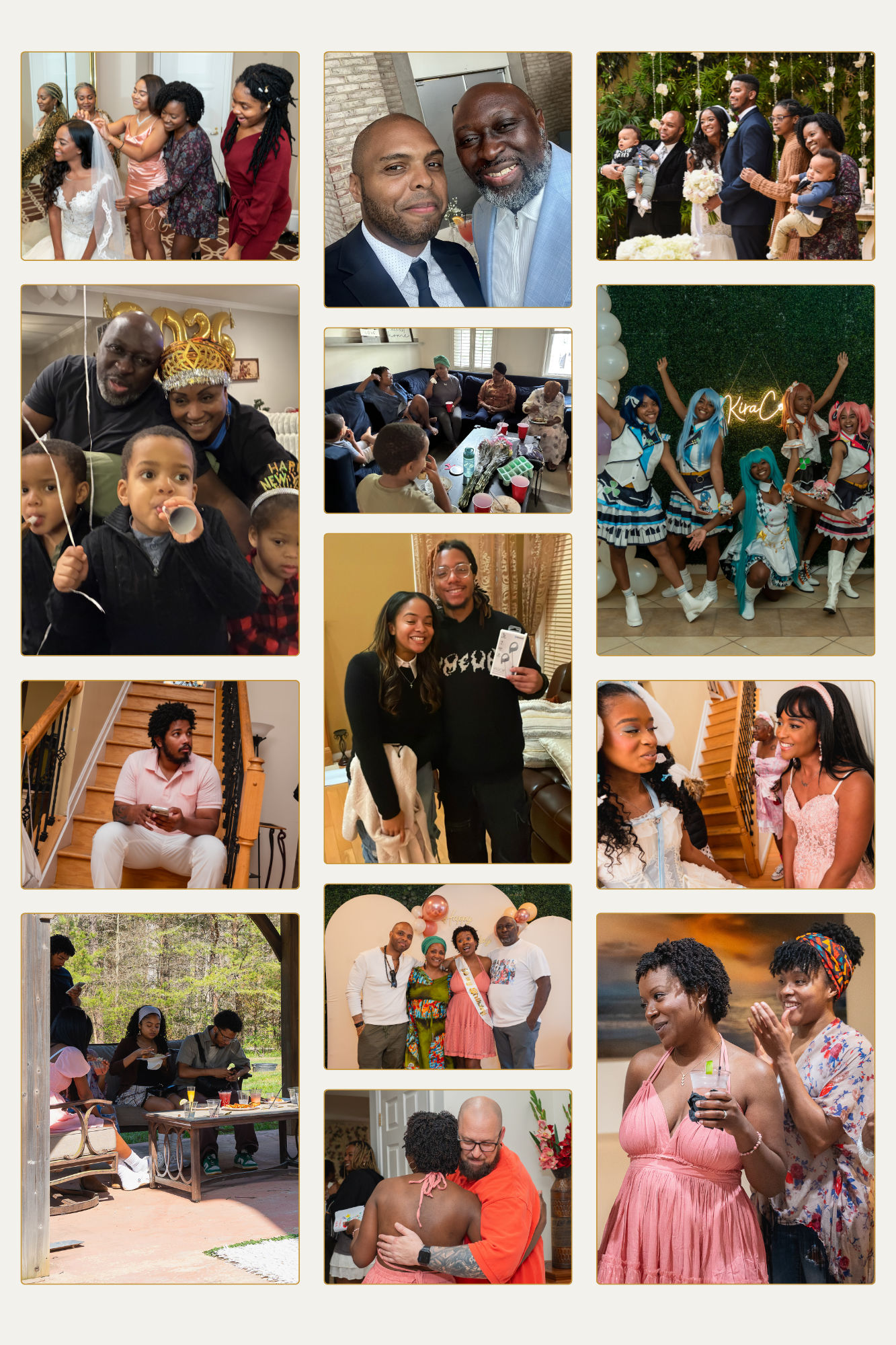
A multi-member LLC is the most practical structure for a family co-housing community of this size. It creates a shared legal entity that can purchase land and contract with builders, while protecting each household's personal assets and providing a written framework for every significant decision the community will face.
✦ Recommended: Multi-Member LLC
- All five households become members of a Maryland LLC. Membership percentages are defined in the Operating Agreement — larger households may hold proportionally larger shares reflecting greater capital contributions, or all five households may hold equal shares if contributions are equalized. Both approaches are common.
- File Articles of Organization with the Maryland Department of Assessments and Taxation (~$100 filing fee). This typically takes about a week to process. Obtain a free EIN from the IRS. Open a shared LLC bank account.
- Draft a detailed Operating Agreement — the single most important document the community will create. It should cover: membership percentages, voting thresholds for major vs. routine decisions, cost-sharing formulas, maintenance responsibilities, buy-out procedures, inheritance provisions, subletting rules, guest policies, and the process for adding new households.
- The LLC purchases the land. Each dwelling informally "belongs to" each household, but the land and all structures are legally LLC assets. The Operating Agreement defines each household's exclusive-use rights over their dwelling and the immediate surrounding area. Common land (garden, recreation area, driveway, shared structures) is held jointly.
- Ongoing shared costs — property taxes, common area maintenance, shared utility systems (well, septic) — are paid from the shared LLC bank account, funded by monthly contributions from each household per the Operating Agreement formula.
- File annual reports with Maryland SDAT to keep the LLC in good standing (~$300/yr). Appoint a member-manager or rotate the responsibility annually.
Why an LLC works well here: Liability protection, pass-through taxation, and a flexible written framework for multi-party ownership. One limitation: banks are often hesitant to mortgage LLC-held land without personal guarantees, so the community may need to pay cash, use owner financing, or have individual members take personal construction loans and later contribute proceeds to the LLC.
Five households sharing land requires clarity about what is private, what is shared, and who is responsible for what. An Operating Agreement is where this happens. Below are recommended norms.
Your home is yours
Each household's dwelling is fully private. Private outdoor space immediately surrounding each home belongs to that household's exclusive-use zone as defined in the Operating Agreement.
Common land, defined zones
The Operating Agreement designates which portions of the parcel are common and which are each household's exclusive-use zone.
Guests & visitors
Each household may have guests without community approval for stays under 14 days. Extended stays are communicated as a courtesy to other households. No household may list their home for rental.
Financial independence
Each household's personal finances are entirely their own. The shared LLC account covers only community costs. No household is liable for another's personal debts.
Maintenance responsibilities
Each household maintains their own dwelling and exclusive-use zone. Shared systems (well, septic, driveway, common structures) are maintained from the shared reserve fund.
Decision-making
Routine community decisions are made by simple majority. Major decisions (ex. selling land, adding new households) require a supermajority (4 of 5). A sale of the entire property requires unanimous consent.
Each household values different things — whether that's proximity to cultural attractions, excellent schools, affordability, safety, or something as everyday as reliable internet. Rather than selecting a location first and forcing the community to fit it, below are several promising regions that offer a strong balance. The final location would be chosen collaboratively by all households.
Located about 30 minutes northwest of historic Savannah, the Rincon area offers an excellent balance of rural living and urban convenience. Effingham County features highly rated schools, family-friendly neighborhoods, and easy access to Savannah's hospitals, restaurants, museums, performing arts, libraries, and international airport. Multi-acre properties remain attainable compared with many fast-growing coastal regions.
CrimeGrade assigns Effingham County an A+ Overall Crime Grade, ranking it among Georgia's safest counties. Georgia's relatively low income and property taxes appeal to entrepreneurs, retirees, and investors. Many properties within 15-20 minutes of Rincon already have gigabit fiber available.
- Excellent schools
- One of Georgia's safest counties
- Easy access to Savannah's culture and healthcare
- Good opportunity to find affordable acreage
- Favorable tax climate for higher-income households
Calvert County combines the tranquility of rural Maryland with convenient access to Washington, DC, Annapolis, and Baltimore. Residents enjoy Chesapeake Bay parks, beaches, libraries, wineries, marinas, and nationally recognized hospitals, museums, theaters, and restaurants.
Consistently ranked among Maryland's safest counties, with an A- Overall Crime Grade, Calvert offers exceptional quality of life. Broadband infrastructure is among the strongest of any rural Mid-Atlantic county. The primary tradeoff is Maryland's comparatively high state and local income taxes and higher land prices.
- Outstanding safety record
- Excellent schools
- Unmatched access to culture and healthcare
- Beautiful Chesapeake Bay surroundings
Land is generally more expensive than the southern locations on this list.
Myakka City combines the privacy of country living with convenient access to one of Florida's premier cultural destinations. Sarasota offers outstanding healthcare, beaches, restaurants, libraries, theaters, and year-round festivals, while Myakka provides the space ideal for a cohousing community.
The area enjoys lower crime than nearby urban centers, earning an A Overall Crime Grade. Florida's lack of a state income tax benefits entrepreneurs, retirees, remote workers, and content creators. Internet service varies by parcel, with most rural homes relying on cable or fixed wireless.
- Exceptional quality of life
- Access to Sarasota's arts and culture
- Rural setting without isolation
- No state income tax
Hurricane exposure and rising land prices.
East Polk County offers a balance of affordable rural living and access to Florida's Gulf Coast. The Lake Wales and Frostproof area features rolling hills, scenic lakes, nature preserves, and attainable multi-acre properties. Residents enjoy nearby hospitals, shopping, restaurants, libraries, and Lakeland's revitalized downtown, while Tampa Bay offers world-class healthcare, museums, professional sports, and an international airport.
Florida's lack of a state income tax is especially attractive for entrepreneurs and retirees. Fiber is expanding rapidly, though internet availability should be confirmed on a parcel-by-parcel basis.
- Affordable multi-acre properties
- Easy access to Lakeland and Tampa Bay
- No state income tax
These rural communities offer the peace of country living with easy access to one of America's most celebrated cities. Residents enjoy Charleston's renowned hospitals, restaurants, museums, beaches, libraries, performing arts, and international airport while benefiting from larger homesites and a slower pace of life. Though countywide crime varies, these communities are widely regarded as quieter alternatives to the urban corridor, with lower crime than nearby metropolitan areas.
South Carolina's lower property taxes and improving income tax structure appeal to professionals and retirees. Fiber is widely available around Summerville and Ridgeville, while Hollywood and Meggett remain more parcel-dependent.
- Access to Charleston's culture and healthcare
- Quiet, family-oriented rural communities
- Well-regarded schools
- Favorable tax environment
- Larger homesites within commuting distance
3164 Dalrymple Rd, Chesapeake Beach, MD 20732
A privately wooded, perc-approved 3-acre lot in northern Calvert County near Chesapeake Beach. Backs to trees. Note: a final subdivision step (~$25K, ~12 months) and TDR allocation (~$30K) are required, bringing all-in land cost to approximately $145K — but with strong equity upside. Annual taxes only $755.
View on Zillow →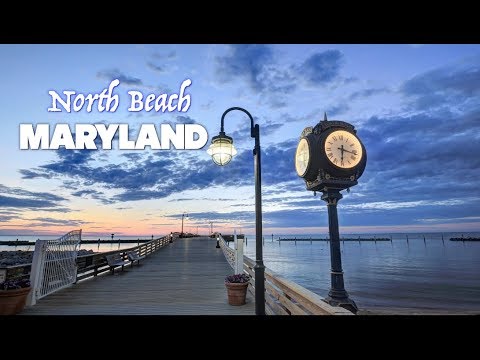
North Beach is the bayfront town at the northern tip of Calvert County — a short drive from this parcel — with a waterfront boardwalk, local dining, and a tight-knit community feel.
Once every household has committed the path to move-in follows a predictable sequence. The phases below assume modular homes for all five households and a Calvert County, Maryland land target.
All five households formally agree to proceed. This is the founding moment — not a legal document yet, but a shared commitment that everything else builds on. Legal and financial planning begins immediately.
A Maryland attorney drafts the Operating Agreement and files the LLC with SDAT. Shared LLC bank account opened. Membership percentages, cost-sharing formulas, and decision-making rules are finalized and signed by all five households.
Active parcel search in target county. Expect to evaluate 5–10 parcels before identifying the right one. The Dalrymple Rd parcel in Calvert County is an example of what to look for.
Offer submitted, negotiated, and accepted. Title search and closing handled by the real estate attorney. The LLC takes title to the parcel. Land is now owned by the community.
Each household selects their floor plan from the modular manufacturer's catalog (or customizes within the available configurations).
County permits pulled for all five homes and shared infrastructure simultaneously. Site work begins: land clearing, grading, driveway installation, well drilling, and septic system installation.
Permanent foundations poured for all five homes.
Factory-built modules are transported to the site and craned onto their foundations. A five-home community typically receives deliveries in stages — 2–3 homes per delivery window, spaced a few weeks apart.
Local contractors complete interior finish work: HVAC final connections, electrical panels, plumbing fixtures, flooring, cabinetry, painting, and appliances.
Certificates of Occupancy issued for all five homes. The community moves in — probably not all on the same day, but within the same window. The Roots & Branches Community is officially open.
The community will need five homes. Three paths are modular homes, prefab kit homes, and a local custom builders. Each represents a different tradeoff between cost, timeline, customization, and hands-on involvement.
Modular home specifications
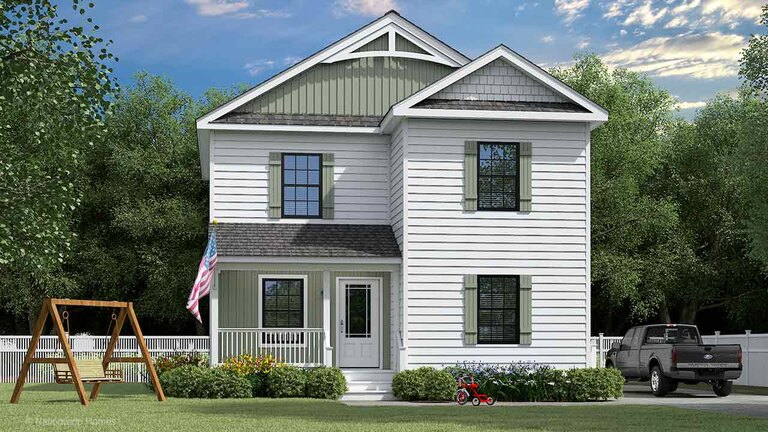
Kit specifications
All-in mid-range estimate ~$360,000
Range: approximately $310K–$425K depending on finishes, labor rates, and site conditions. Smaller kit options from DC Structures start below $100K for the shell.
View the McCall on DC Structures →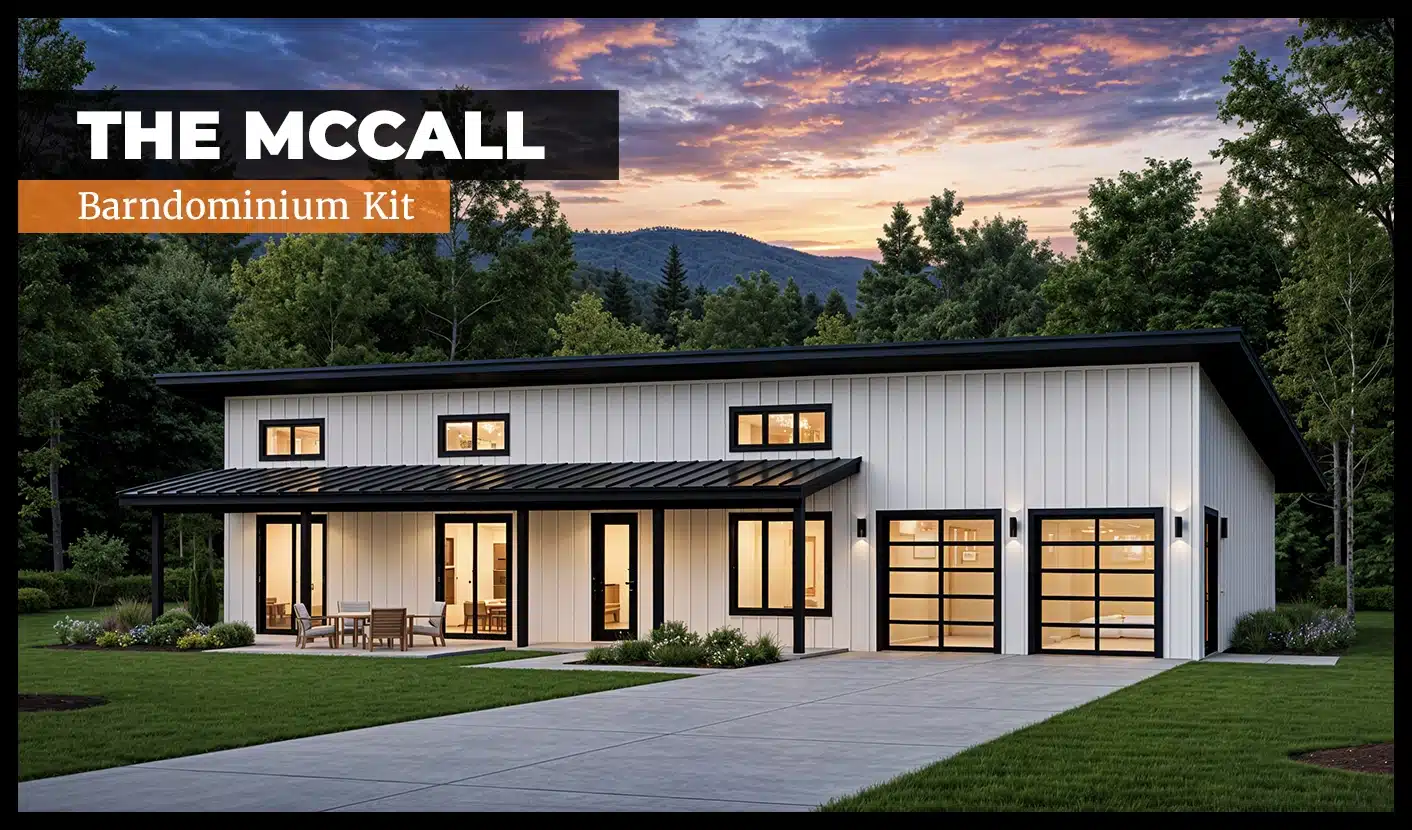
| Factor | Modular | Prefab Kit | Local Builder |
|---|---|---|---|
| All-in cost · larger home | $210–280K | $290–380K | $280–420K |
| All-in cost · smaller home | $155–210K | $210–270K | $210–310K |
| Build timeline | 4–8 months | 8–14 months | 12–18 months |
| Design flexibility | Moderate — floor plan options within catalog | High — interior fully customizable | Highest — every choice is yours |
| Local expertise | Low — ships from factory, GC needed locally | Low — kit ships nationally, GC finishes out | Highest — builder knows county codes & subs |
| ADA / accessibility | Select accessible floor plans available | Specify in design — fully achievable | Full control — specify anything needed |
| Best for | Fastest timeline, lowest cost | Design quality, long-term durability | Maximum customization, local relationships |
Modular homes deliver the fastest move-in and lowest per-household cost.
Prefab kit homes suit households that want more architectural character and are comfortable with a longer build.
A local custom builder is the right choice for any household wanting a fully bespoke home built.
The figures below reflect the estimate of a full community build. All estimates are mid-range for Maryland rural construction as of 2026. The low scenario assumes modular homes throughout; the high scenario assumes prefab kit homes for the three larger homes or a local custom builder for all five.
Five households.
One community.
The research is done. The numbers work. The model is proven. What's left is the decision.